Rethinking School Lunch Guide

Rethinking School Lunch is a planning framework based on a positive vision: healthy children ready to learn, “food literate” graduates, invigorated local communities, sustainable agriculture, a healthy environment. The Rethinking School Lunch Guide, published in 2004 and revised in 2010, is a downloadable pdf that explains the rationale for reforming school food and explores the ten pathways that constitute this planning framework. Additional links (see below) lead to essays, interviews, and other tools.
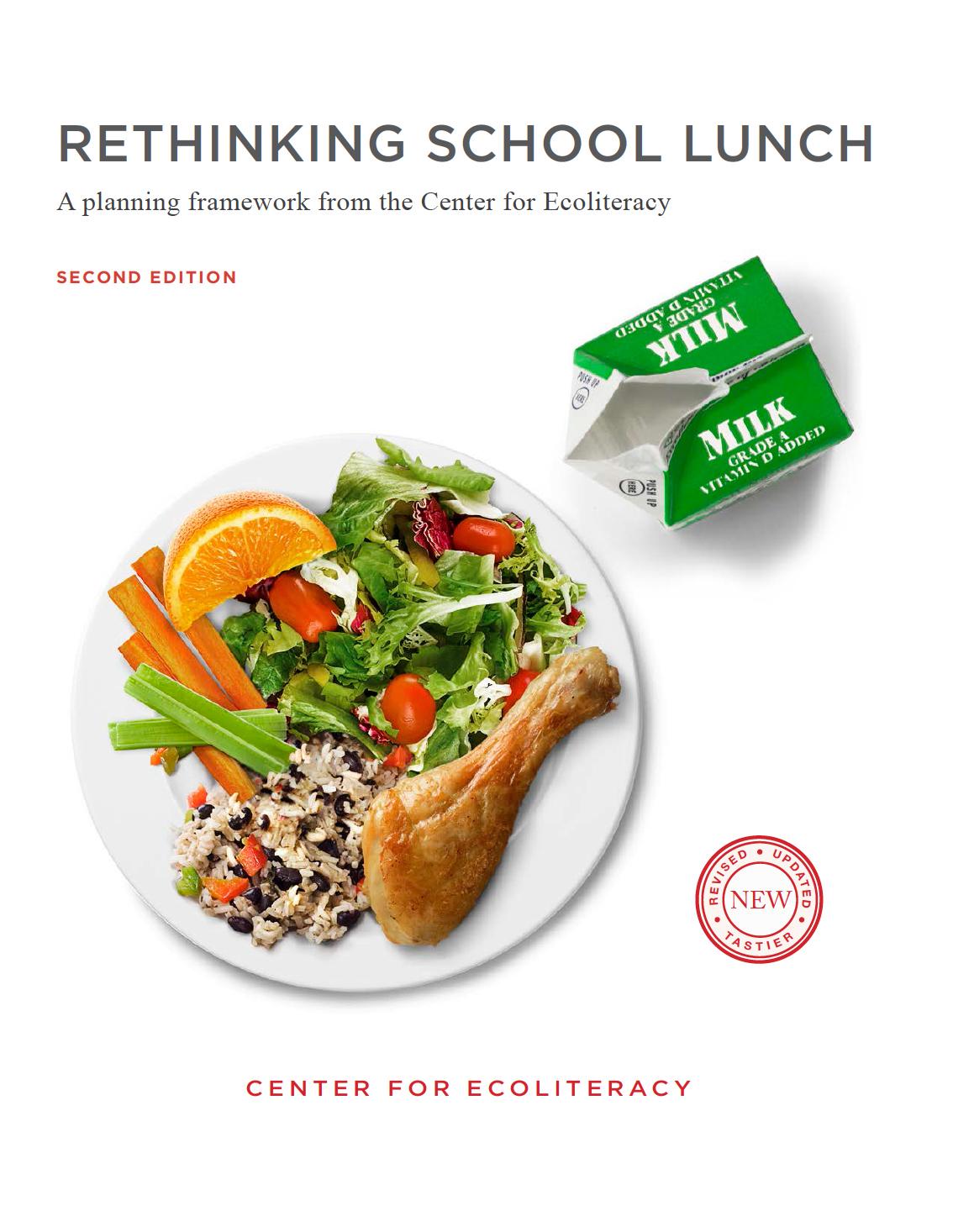
Download the complete RSL Guide PDF [4.6mb]
The Rethinking School Lunch Guide provides ideas and strategies for changing your school meal programs, promoting health, and increasing ecological understanding. The Guide draws on the wisdom and knowledge of leading school nutrition experts and practitioners and lessons from successful programs. It is designed to help you make the case for change and discover innovative solutions to the challenges of reinventing school food.
Overview
By addressing school food, we affect public health, academic performance, economics, justice, national security, the environment, and community well-being.
Explore the "Levels of Authority for School Food Systems" from the Center for Ecoliteracy book Smart by Nature to understand where decisions affecting school food are made.
Download the "School Lunch Initiative Evaluation," a study that demonstrated the effectiveness of a program combining gardening, cooking, improvements in school food, and integrating learning about food and the environment into the academic curriculum.
Food and Health
The school food program promotes health through menus that feature a variety of delicious, appealing, nutritious offerings.
Read about how San Diego Unified promoted its stellar healthy school meal program.
Policy
The school nutrition program is guided by a district wellness policy developed and implemented through a collaborative community process.
Download a Model Wellness Policy Guide, developed by the Center for Ecoliteracy, to help you review, revise, and update your local policy.
Teaching and Learning
Hands-on learning, the lunchroom experience, and teaching and learning in the classroom deepen students’ knowledge, skills, and attitudes about food, culture, health, and the environment.
Download our Visual Guide: Linking Food, Culture, Health, and the Environment.
Learn about our K-12 curriculum framework called Big Ideas: Linking Food, Culture, Health, and the Environment.
Download a discussion guide for high school to accompany the film Food, Inc.
The Dining Experience
Students feel welcomed, safe, and valued in an atmosphere that encourages social interaction and healthy eating.
Read an article, "Rethinking Lunchtime: Making Lunch an Integral Part of Education," on the achievements realized when one elementary school switched lunch and recess.
Procurement
The school meal program obtains fresh, seasonal, sustainably grown produce and products from local and regional sources.
Read about the procurement strategy implemented in the Oakland Unified School District.
Facilities
The dining facility serves as a learning center, offers fresh food prepared onsite, and reinforces lessons learned in the classroom.
Read an interview with Steve Marshall, The Marshall Associates, Inc., on asking the right questions while designing or remodeling school food cooking facilities.
Finances
Budget planning using real data and creative initiatives makes the shift to fresher, more nutritious food financially viable.
Download a financial calculator template developed by Bon Appétit Management Company for use in district-wide nutrition services financial planning.
Waste Management
The school food program reduces waste and helps students understand the need to conserve natural resources.
Read an excerpt of The Worm Café about vericomposting for waste reduction and making waste management a part of the academic curriculum.
Professional Development
Nutrition services staff and teachers receive the training they need to realize the Rethinking School Lunch vision.
Read the professional development section on the Center's Cooking with California Food in K-12Schools downloadable book to learn more about effective professional development for nutrition services staff.
Marketing and Communications
Districts take the necessary steps to promote healthy meal programs and meaningful learning environments.
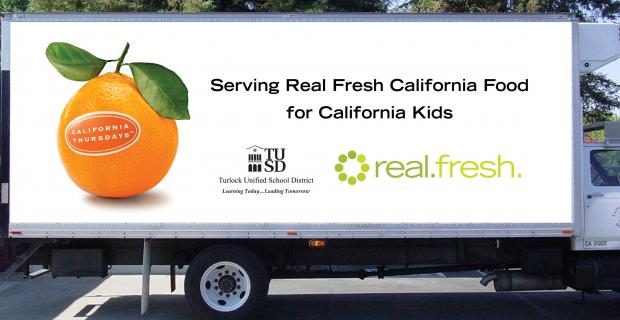
Read about Scott Soiseth's secrets to success in marketing his school lunch program in Turlock, California.