The Building Itself May Be the Best Teacher of All

Most people don't think of the school campus itself as being a teacher.
But, as David W. Orr points out, "Buildings have their own hidden curriculum that teaches us as effectively as any course taught in them." He asks us to consider the lessons we teach in the design, building, and operation of academic buildings and the campus.
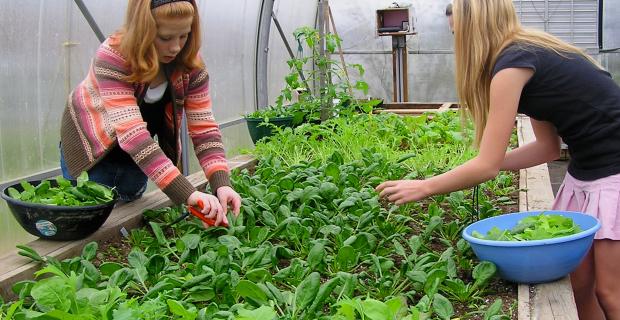
Nature-oriented features like school gardens, on-campus habitats, and compost bins teach people how they are connected with the natural world. Visible systems to save energy and recycle materials communicate that resources are precious and should be conserved.
By their size and the number of people they serve, schools impact the environment in many ways. They occupy open space and draw on community water and sewer systems. They use energy and resources and generate waste and pollution.
Campuses and buildings that teach sustainability are designed or operated as responsibly as possible. Modeling sustainable practices can inspire the surrounding community to become more sustainable. Campuses and buildings also often become laboratories for exploring sustainable solutions to environmental problems.
Among the ways that school communities incorporate their campuses into their teaching:
- Involving students in conducting audits of current sustainability practices and creating plans for new programs and facilities. What is the school already doing? What more could be done?
- Incorporating assessments of campus energy and resource use into class projects.
- Making sustainability efforts visible with signs, webcams, or publications that show the school community and the public the sustainable features in the buildings and campus and other steps the school is taking.
- Incorporating real-time measurements of energy, water, or resource use into campus design—making data publicly available through centrally located monitors or from students' computers.
- Appointing students to lead tours for campus visitors or create Web pages and presentations to explain the campus and its features to other students.
- Finding places on campus—even if small—where nature is present. How could more of these places be made?
- Participating in competitions such as the Green Cup Challenge to reduce energy use and resource consumption.