Why Mother Nature Should Be Teaching Your Child's Health Class

In areas ranging from the design of campus buildings to incorporating outdoor recess to planning school lunch menus, nature teaches practices that promote the health of people.
For example, in schools:
- Natural daylighting improves the health and performance of children and adults in classrooms and offices.
- Children who experience nature during their day — even just a view out a window — experience less anxiety and depression and fewer behavioral conduct disorders.
- Students in Scandinavia's "Outdoors in All Weather" programs have 80 percent fewer infectious diseases than students in conventional programs.
- Children with Attention Deficit/Hyperactivity Disorder and other problems often improve rapidly when artificial coloring and preservatives are removed from their diets.
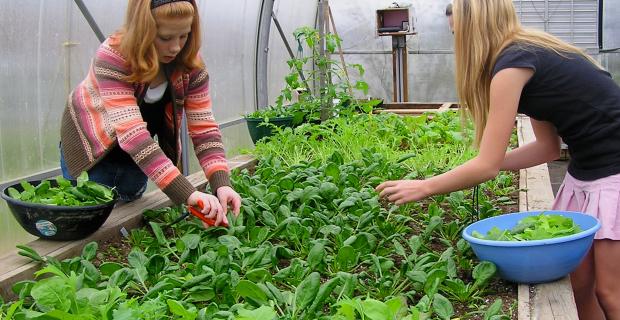
- Fresh, seasonal, unprocessed "whole foods for the whole body" are healthier choices for school menus.
The Center for Ecoliteracy's online Rethinking School Lunch guide offers a framework for improving school food while integrating nutrition education and ecological knowledge in the curriculum.
Our book Big Ideas: Connecting Food, Culture, Health and the Environment explores these ideas through concepts drawn from benchmarks for science literacy.