

2025 Annual Report

Dear friends,
I am proud to share the Center for Ecoliteracy’s accomplishments from 2025. Together, we expanded access to fresh, locally sourced school meals and food education, created new resources, strengthened partnerships, and advocated for investments that help California children thrive.
This year, we shared vibrant new resources that span the school food system—from TK classrooms and high school cafeterias to California’s abundant farms. These publications celebrate the richness of our state’s diverse school communities and uplift leaders across California who are transforming school food.
Read on for highlights from a remarkable year.

Alexa Norstad
Executive Director
Education
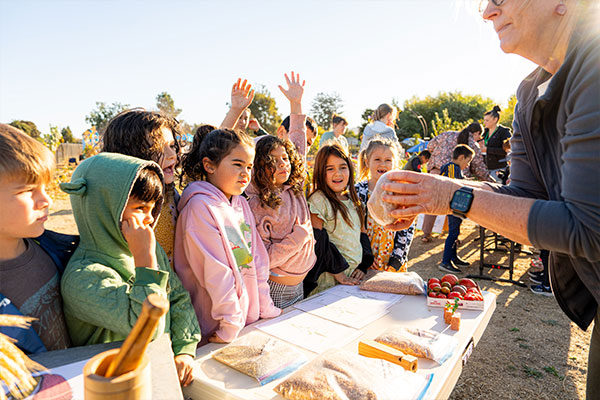
We design educational resources that celebrate the beauty and diversity of our food system, inspiring students to become stewards of their environment.
The recent expansion of Transitional Kindergarten (TK) and growing participation in School Meals for All in California present an exciting opportunity for students to learn about fruits, vegetables, nutrition, and health from a young age. Our latest suite of educational resources, Nourishing Students: Discovering Fruits and Vegetables with Early Learners, offers activities and recipes, including Spanish-language resources, for early childhood educators, families, and school nutrition professionals to explore fruits and vegetables with students through positive, engaging, and interactive learning experiences.
School Food
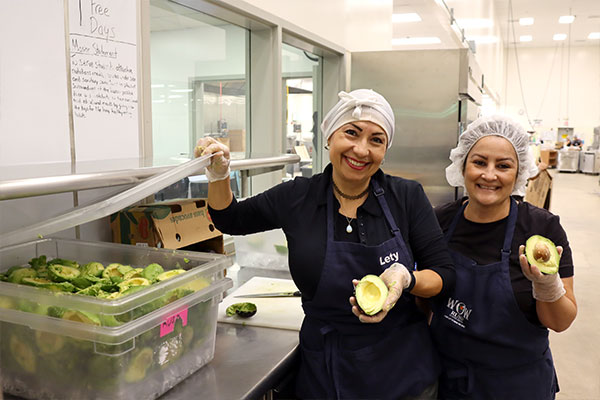
Our core initiative, California Food for California Kids®, inspires schools to serve fresh, locally-sourced meals and engage students in the connections between food, culture, health, and the environment.
In 2025, we grew both the reach and impact of the California Food for California Kids Network. Twenty-six new school districts joined the Network, which now includes 171 districts across 40 counties reaching 42% of students in the state. School nutrition leaders were featured in media segments and in our Farm to School Innovator Series to highlight their creativity and innovation in serving fresh, locally-sourced meals.
Two new publications offer school nutrition professionals inspiration for serving fresh, locally-sourced food. California Flavors: Fresh Recipes for the Future of School Meals, also available in Spanish, presents 12 new recipes that reflect the rich cultural diversity of California students. Fresh from California: Building Resilient Farm to School Programs and Serving School Meals Kids Love highlights the regional leadership and connections that strengthen school meal programs and includes 11 real school meal recipes that celebrate local food.
Policy + Advocacy
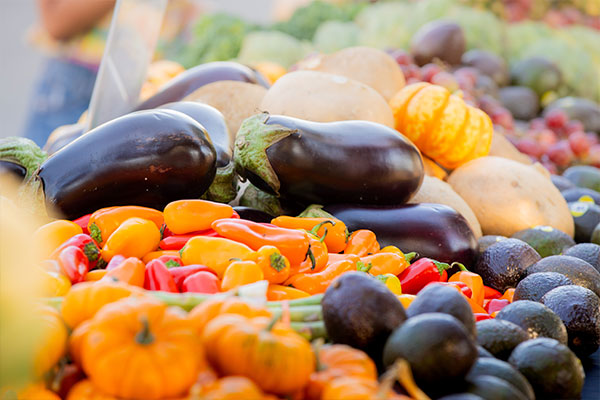
We advocate for policies that advance food justice and ensure students have equitable access to free, nutritious school meals.
In collaboration with the School Meals for All coalition, we successfully advocated for $2 billion in school nutrition investments in the 2025–2026 California state budget: School Meals for All ($1.93 billion), Kitchen Infrastructure and Training ($145 million), and Farm to School ($24.9 million). Our unique approach to policy change weaves stories and data to center the voices of school nutrition professionals and students. School nutrition leaders from the California Food for California Kids Network were featured in legislative engagements to share their on-the-ground expertise and to advocate for program investments. Since School Meals for All began, participation in school meals has increased by nearly 9% despite declining enrollment, and students and school nutrition professionals report reduced stigma.
In the face of federal threats, the Center for Ecoliteracy activated our state coalition to protect children’s access to SNAP, Medicaid, and free school meals through action alerts, individualized outreach, and direct engagement with key federal representatives. We met with four congressional offices in Washington, D.C., and helped build a coalition of more than 160 supporting organizations in California. While cuts to federal school nutrition programs were avoided, H.R. 1 will result in children losing access to SNAP or Medicaid benefits and, consequently, direct certification for federal school meal benefits. We initiated a partnership with the Urban Institute to analyze projected federal funding losses and their impact on the California state budget.
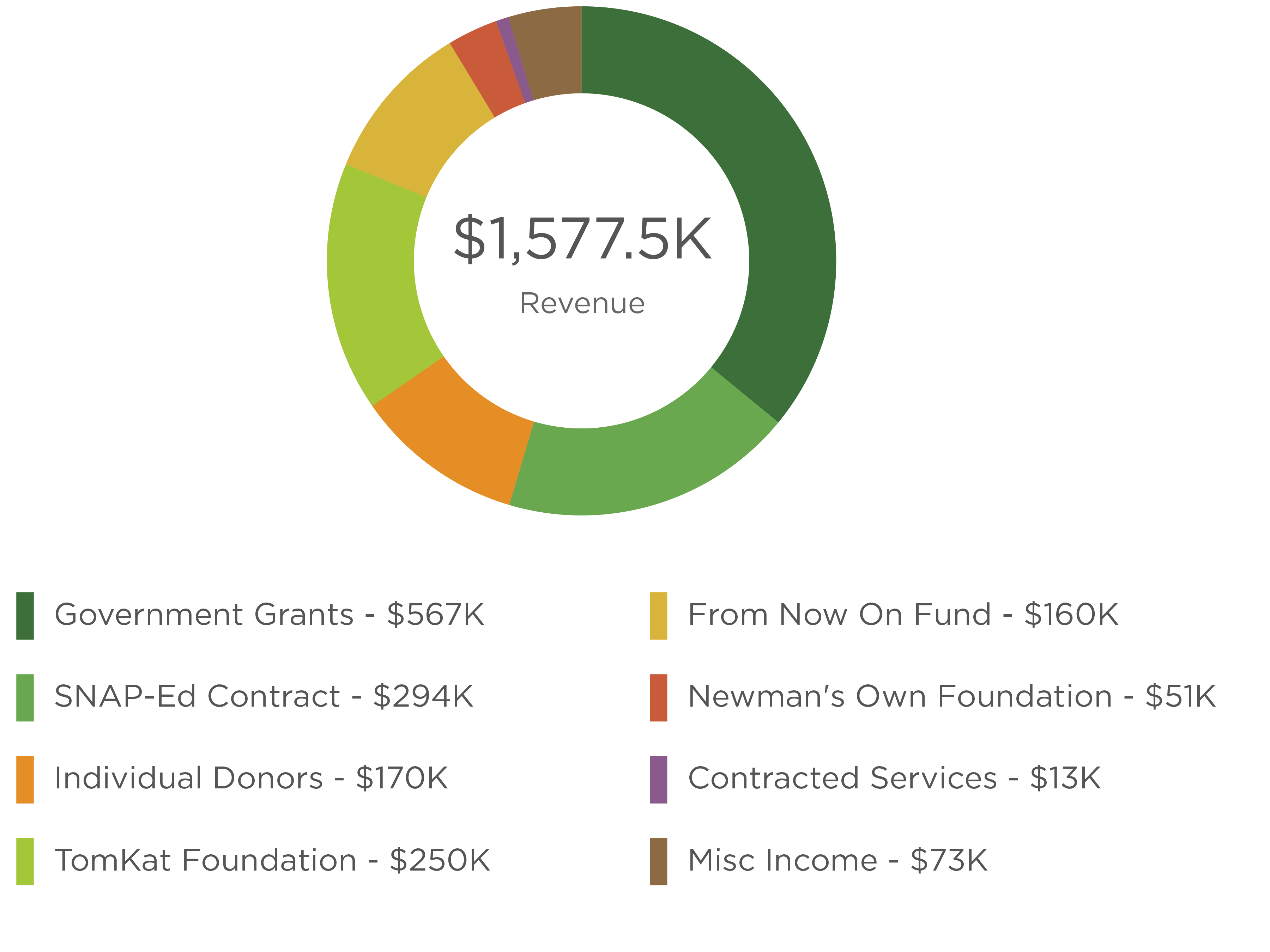
2025 Revenue
Our Partners
We are grateful to our incredible partners, who continue to inspire us and support the lasting change we seek in California and beyond.
American Heart Association
Berkeley Food Institute
CalFresh Healthy Living, UC
California Association of Student Councils
California Department of Food and Agriculture, Office of Farm to Fork
California Food Banks
Chef Ann Foundation
Community Alliance with Family Farmers
Culinary Institute of America
Cultiva La Salud
Food Insight Group
LunchAssist
NextGen California
Nutrition Policy Institute
Office of Kat Taylor
Spork Food Hub
Stanford University School of Medicine
Ten Strands
UndauntedK12
Urban Institute
The Center for Ecoliteracy is a 501(c)(3) non-profit organization based in Berkeley, California. Learn more about us.
View the Center for Ecoliteracy Form 990 for 2024.
EIN 94-2911417