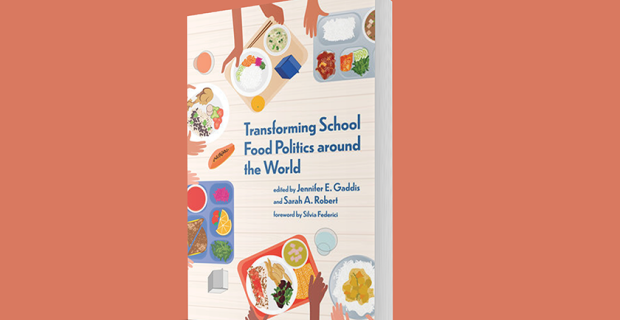
Transforming School Food Politics Around the World
A compilation of essays that explores how to successfully challenge and transform public school food programs to emphasize care, justice, and sustainability.
Designed to help educators extend, enhance, and enrich farm to school lessons to be more culturally relevant and engaging for the unique students in each learning environment.
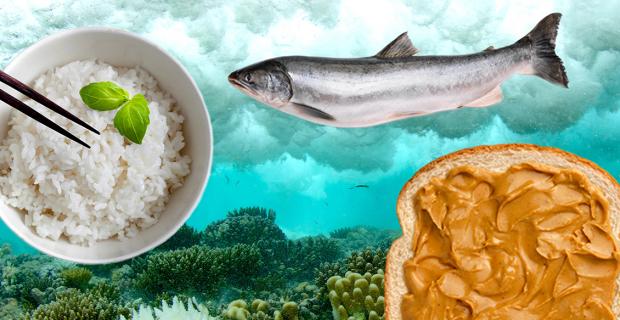
How does climate change affect the foods we eat? How does our food affect climate change? And how can we develop healthy responses to meet the climate challenges our young people will face?
Understanding Food and Climate Change: An Interactive Guide
An interactive guide for educators, students, and advocates that explores how food systems and our changing climate interact, and how personal choices can make a difference.
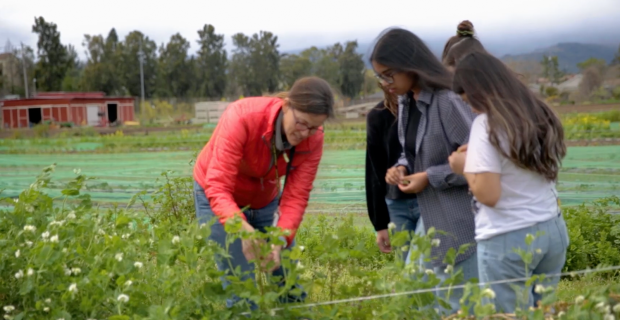
Hear from the Center for Ecoliteracy and Santa Clara Unified School District on the value of connecting the school farm to the classroom and cafeteria.
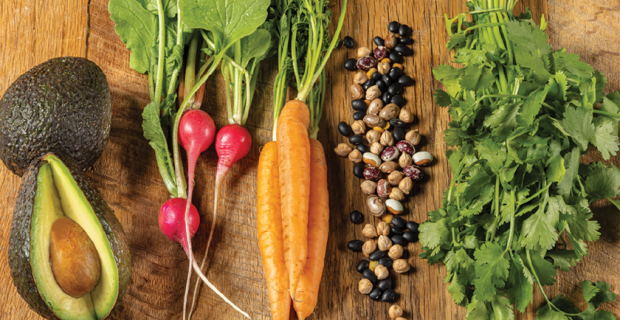
Everything we eat has a story to tell. The Abundant California suite teaches students in grades 3–5 about California crops and introduces them to the food system that sustains us all.
Nourishing Students: Enrichment Activities for Grades K-5
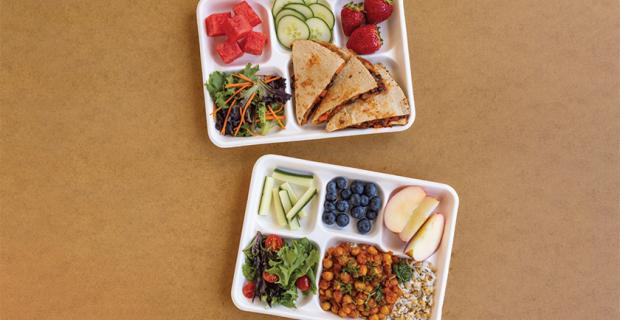
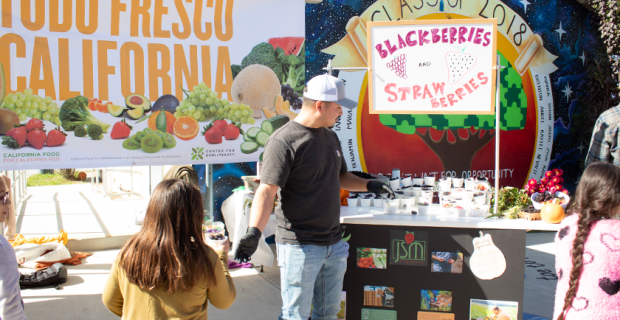
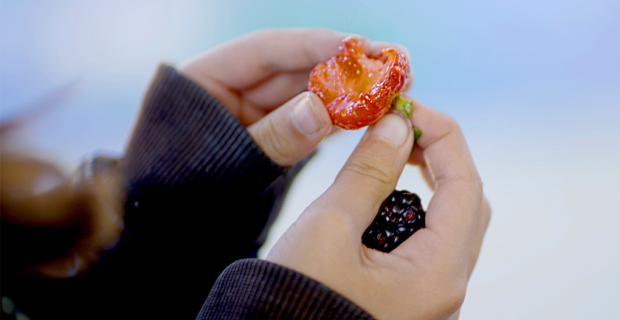
Enrichment activities engage students in exploring the bounty of California-grown fruits and vegetables in after-school, out-of-school, and summer programs.
COVID-19 planning templates, reopening protocols, and additional resources that support school nutrtition programs in return to school planning efforts.
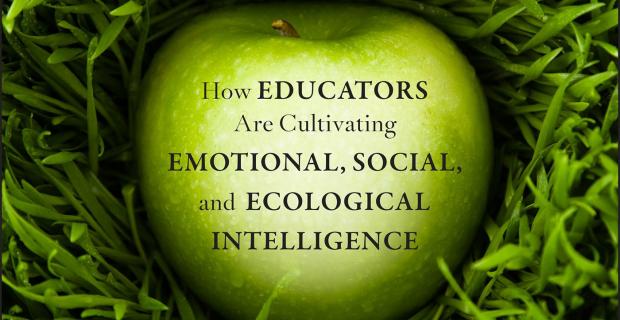
Ecoliterate brings you stories of educators, activists, and students who nourish emotional, social, and ecological intelligence in order to engage ecoliteracy.
A project-based learning activity in which students assess their community's ability to respond to crises and develop ideas for making it more resilient.
Ecological Literacy: Educating Our Children for a Sustainable World
Michael Pollan says our book "makes a critical contribution to rethinking how we teach our children about their place in nature. The best book of its kind."
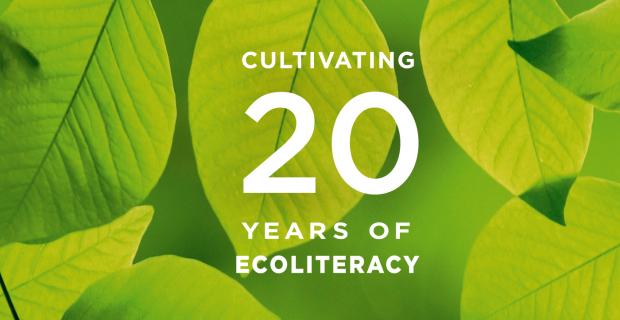
A celebration of the Center's twentieth anniversary, presenting memories, guiding principles, and highlights from two decades of education for sustainable living.
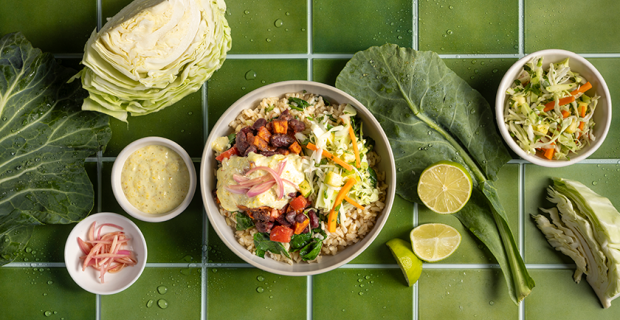
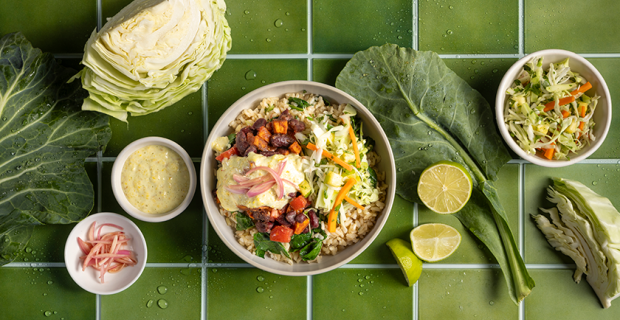
Students in grades 3-5 examine the cultural importance of cabbages, conduct a comparison tasting of varieties grown in California, and explore related family food traditions.
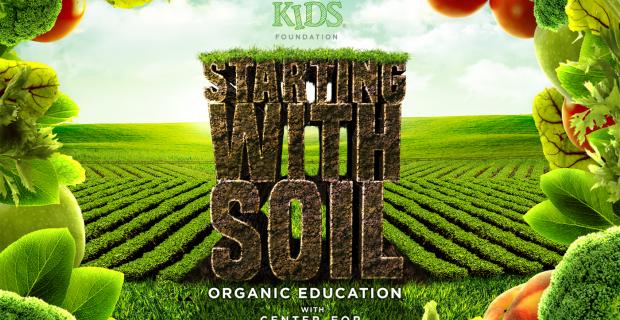
An iPad app from the Center for Ecoliteracy and Whole Kids Foundation offers a playful, visually rich way to help kids understand that soil is a living system full of fascinating relationships.
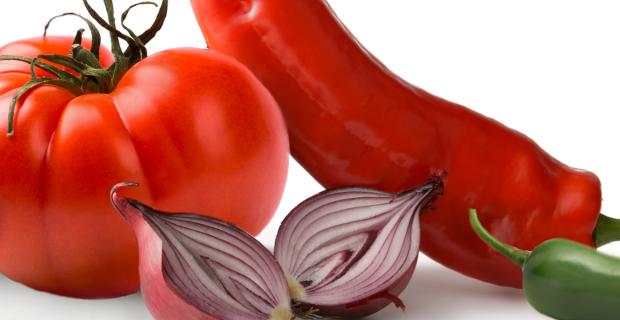
Students in grades 3-5 learn surprising facts about California tomatoes and extend their learning through comparison tasting and a hands-on tomato salsa challenge.
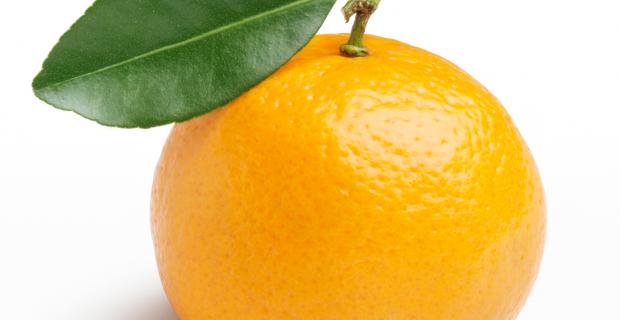
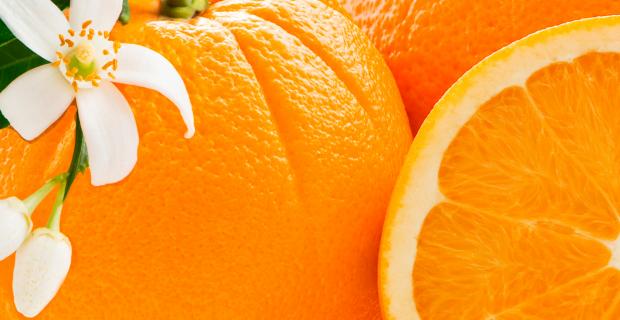
Students in grades 3-5 read about Eliza Tibbets, a California food pioneer, and extend their learning through observation and comparing the tastes of navel oranges to other citruses.
How to Get Students to Think Critically About Their Food Choices
Download this free lesson about food traditions where students interview an elder or someone from another culture to learn about foods in different times or places.